VIDEO PRODUCTION

 Video Production in Digital Marketing 

 Introduction to Video Production in Digital Marketing

Video production in digital marketing refers to the process of creating engaging video content to promote brands, products, or services across online platforms. In today’s fast-paced digital world, video has become one of the most powerful marketing tools because it captures attention quickly, communicates messages clearly, and builds emotional connections with audiences.

With the rise of platforms like YouTube, Instagram, Facebook, and TikTok, businesses are increasingly using video content to reach their target customers. From short-form reels to long educational videos, video production plays a critical role in modern digital marketing strategies.

 Importance of Video in Digital Marketing

Video marketing is effective because it combines visuals, sound, text, and motion to deliver impactful messages. Research consistently shows that people remember video content more than text-based content.

Key Reasons Why Video is Important:

  Higher Engagement

Videos attract more likes, shares, and comments compared to static posts.

 Better Conversion Rates

Landing pages with videos often experience higher conversion rates.

 Easy Understanding

Complex information can be simplified using explainer videos.

 Mobile-Friendly Content

Most users consume video content through smartphones.

🔁 5. Strong Emotional Connection

Video storytelling builds trust and brand loyalty.

Because of these advantages, video production has become essential for businesses that want to grow online.

 Types of Videos in Digital Marketing

Different marketing goals require different types of videos.

 Promotional Videos

Used to advertise products or services. These videos highlight features, benefits, and special offers.

 Explainer Videos

Short videos that explain how a product or service works.

 Social Media Videos

Image

Image

Image

Image

Short, engaging videos designed for platforms like Instagram Reels, Facebook, and TikTok.

 Testimonial Videos

Customer reviews shared in video format to build trust.

Educational Videos

Used to provide value through tutorials, tips, and industry insights.

Product Demo Videos

Show how a product works in real life.

 Live Videos

Real-time interaction through live streaming on social platforms.

 Stages of Video Production

Video production in digital marketing follows three main stages:

Pre-Production

This is the planning stage and one of the most important steps.

Includes:

  • Defining objectives

  • Identifying target audience

  • Writing script

  • Storyboarding

  • Planning budget

  • Selecting location

  • Casting talent

Pre-production ensures clarity and avoids mistakes during filming.

 Production

This is the actual shooting phase.

Includes:

  • Recording video footage

  • Managing lighting

  • Capturing audio

  • Directing actors

  • Using cameras and equipment

High-quality visuals and clear sound are crucial during production.

Post-Production

This is the editing stage.

Includes:

  • Video editing

  • Adding music

  • Adding subtitles

  • Adding graphics & animations

  • Color correction

  • Final rendering

Post-production enhances professionalism and visual appeal.


 Role of Video in Different Marketing Channels

 Social Media Marketing

Short-form videos perform extremely well on social platforms. Reels and Shorts increase visibility and engagement.

 SEO and Website Marketing

Videos improve website dwell time, which positively impacts search engine rankings.

 Email Marketing

Including videos in email campaigns increases open and click-through rates.

 Paid Advertising

Video ads perform strongly on platforms like Google Ads and Meta Ads.

 E-commerce

Product videos help customers make better purchasing decisions.

 Advantages of Video Production in Digital Marketing

Increases brand awareness
Boosts engagement rates
 Improves SEO ranking
Builds trust and credibility
 Encourages social sharing
 Enhances storytelling
 Increases conversion rates
 Supports paid advertising campaigns

Video content often generates better ROI compared to traditional marketing methods.

 Video Marketing Strategy

To succeed, businesses must follow a structured strategy.

Step 1: Define Goals

Are you focusing on brand awareness, engagement, or sales?

Step 2: Understand Target Audience

Know their interests, age group, and platform preferences.

Step 3: Choose Right Platform

  • YouTube → Long-form content

  • Instagram → Reels

  • Facebook → Ads & Stories

  • TikTok → Short viral content

Step 4: Create Engaging Content

Hook viewers in the first 3–5 seconds.

Step 5: Add Clear Call-to-Action (CTA)

Tell viewers what to do next:

  • Visit website

  • Subscribe

  • Buy now

  • Contact us

Step 6: Analyze Performance

Use analytics tools to measure:

  • Views

  • Watch time

  • Engagement rate

  • Conversion rate

Key Elements of a Successful Marketing Video

Strong Hook

The beginning must grab attention immediately.

 Clear Message

Avoid confusion. Deliver one main idea.

 High-Quality Visuals

Professional visuals increase credibility.

 Clear Audio

Poor sound quality reduces effectiveness.

Strong CTA

Guide users toward the next action.

Challenges in Video Production

High production costs
 Time-consuming process
 Content saturation
 Algorithm changes
 Need for creativity and innovation

However, even small businesses can create effective videos using smartphones and free editing tools.

 Short-Form vs Long-Form Video

Short-Form Video

Long-Form Video

15–60 seconds

5–20 minutes

High engagement

In-depth content

Great for social media

Best for YouTube

Quick attention

Detailed explanation

Short-form videos are trending, but long-form videos help build authority.

Future of Video Production in Digital Marketing

The future of video marketing includes:

  • AI-generated videos

  • Interactive videos

  • Shoppable videos

  • 360° and VR videos

  • Live streaming growth

  • Personalized video content

As internet speed improves and attention spans shorten, video will continue dominating digital marketing.

Real-World Example

Companies like Apple Inc. use cinematic product videos to create excitement before product launches. Their storytelling approach builds anticipation and brand loyalty.

Similarly, startups use testimonial and explainer videos to build trust quickly.

 Why Businesses Must Invest in Video Production

In today’s digital landscape:

  • Consumers prefer watching over reading

  • Video content builds stronger emotional impact

  • Algorithms prioritize video

  • Competitors are already using video

Businesses that ignore video marketing risk falling behind.

Conclusion

Video production in digital marketing is no longer optional—it is essential. It combines creativity, strategy, and technology to communicate brand messages effectively. From social media reels to professional advertisements, video content increases engagement, builds trust, improves SEO, and boosts sales.

The process involves pre-production planning, professional shooting, and post-production editing. When executed strategically, video marketing delivers high ROI and long-term brand growth.

As digital platforms evolve and audiences demand more engaging content, video production will continue to dominate the marketing landscape. Businesses that invest in high-quality video content and data-driven strategies will stay ahead of the competition and build strong connections with their audience.

 

BRANDING – VOCAL OF YOUR WEBSITE

 Branding: A Complete Guide 

Introduction to Branding

Branding is the process of creating a unique identity for a business, product, or service in the minds of consumers. It is not just about a logo or a tagline; branding represents the overall perception, emotion, and experience that people associate with a company.

When customers think about a company like Apple Inc., they associate it with innovation, premium quality, and sleek design. Similarly, Nike represents motivation, performance, and empowerment. These perceptions are not accidental—they are the result of strong branding strategies.

Branding helps businesses stand out in competitive markets, build trust, and create long-term relationships with customers. In today’s digital age, branding plays an even more critical role because consumers have many options and short attention spans.

Continue reading

AFFILIATE MARKETING

Affiliate Marketing: Complete Guide For DIGITAL SERVICES

Introduction to Affiliate Marketing

Affiliate marketing is a performance-based digital marketing strategy where a person or business (affiliate) promotes another company’s products or services and earns a commission for every sale, lead, or action generated through their unique referral link.

In simple words, affiliate marketing works like a commission-based partnership between a seller and a promoter. Instead of paying upfront for advertisements, companies only pay when results are achieved. This makes affiliate marketing one of the most cost-effective and low-risk marketing methods.

With the growth of e-commerce, blogging, YouTube, and social media platforms, affiliate marketing has become one of the most popular ways to earn online income.

Continue reading

PAY PER CLICK

Pay Per Click (PPC): A Complete Guide

Pay Per Click (PPC): A Complete Guide

Introduction to Pay Per Click (PPC)

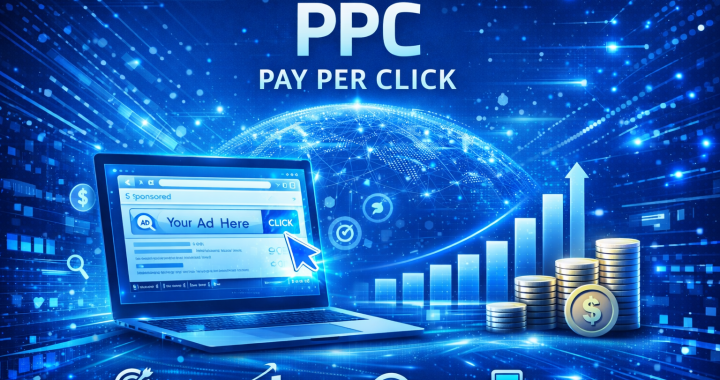
Pay Per Click (PPC) is a digital advertising model in which advertisers pay a fee each time someone clicks on their advertisement. Instead of earning traffic organically, businesses buy visits to their websites through paid ads. PPC is one of the fastest and most measurable online marketing strategies used by businesses worldwide.

The most common platform for PPC advertising is Google Ads, but PPC campaigns can also run on platforms like Meta Platforms (Facebook & Instagram Ads), Microsoft Advertising, and LinkedIn.

Continue reading

META ADDS

Meta Ads: A Complete Guide  For Your Business Growth

📢 Meta Ads: A Complete Guide

1. Introduction to Meta Ads

Meta Ads refer to the advertising platform owned by Meta Platforms, which allows businesses to run paid advertisements across its platforms such as Facebook, Instagram, Messenger, and WhatsApp. Earlier known as Facebook Ads, Meta Ads has evolved into one of the most powerful digital advertising systems in the world.

Meta Ads help businesses reach targeted audiences based on demographics, interests, behavior, location, and even online activities. Whether you are a small local shop or a large multinational company, Meta Ads provide scalable marketing solutions to grow brand awareness, generate leads, drive website traffic, and increase sales.

Today, Meta Ads are widely used in digital marketing strategies because of their advanced targeting capabilities, cost efficiency, and massive global audience reach.


2. Why Meta Ads Are Important

Meta platforms collectively have billions of active users worldwide. This makes them one of the largest advertising networks available.

Here’s why Meta Ads are important:

  • Precise Targeting – Advertisers can target users based on age, gender, location, interests, job title, education, shopping behaviour, and more.
  • Cost-Effective – Businesses can start with a small budget and scale gradually.
  • Measurable Results – Detailed analytics help track performance.
  •  Mobile-Friendly** – Most users access Meta platforms through mobile devices.
  •  Retargeting Capability – You can re-engage users who previously interacted with your brand.

For businesses in India, including cities like Lucknow or Delhi, Meta Ads are especially powerful for local targeting and regional promotions.Continue reading

Web Development: The Backbone of the Digital World

 INTRODUCTION

In today’s fast-paced digital era, a website is no longer just an online brochure—it is the foundation of a brand’s online identity. Whether you are running a startup, an e-commerce store, a personal blog, or a corporate enterprise, web development plays a crucial role in shaping how users perceive and interact with your brand. For a digital marketing platform like TechyHub, understanding web development is essential because every digital marketing strategy ultimately leads users to a website. If the website fails to perform, even the best marketing campaigns lose their impact.

This blog explores web development in detail—its meaning, components, types, technologies, process, importance, trends, and its strong connection with digital marketing.

Continue reading

CONTENT MARKETING

Introduction

In today’s fast-paced digital world, content is everywhere. From websites and blogs to social media posts, videos, and emails, businesses and individuals are constantly creating information to communicate with their audience. But creating content alone is not enough. If content is not organized, updated, and managed properly, it quickly loses its value. This is where content management comes into play.

Content management is the backbone of a successful digital presence. It ensures that content is structured, relevant, accessible, and aligned with business goals. In this blog, we’ll explore what content management is, how it works, why it matters, and how it supports digital growth.

What Is Content Management?

Content management refers to the process of creating, organizing, storing, editing, publishing, and maintaining digital content across different platforms. This content can include text, images, videos, audio files, documents, and more.

In simple terms, content management ensures that:

  • Content is easy to create and update

  • Information is well-organized

  • Users can find what they need quickly

  • Content remains accurate and relevant over time

Whether you are running a blog, an e-commerce website, or a corporate portal, effective content management helps deliver a smooth and professional user experience.

Continue reading

Email Marketing: The Most Powerful Digital Marketing Strategy for Business Growth

What is Email Marketing?


Email marketing is a digital marketing strategy that involves sending emails to a targeted group of people to promote products, services, offers, or build long-term relationships with customers. These emails can be informational, promotional, or educational in nature.

Unlike spam, effective email marketing focuses on permission-based communication, meaning emails are sent only to users who have willingly subscribed.

Continue reading

Social Media Marketing (SMM): A Complete Guide for Modern Businesses

Introduction to SMM (Social Media Marketing) 

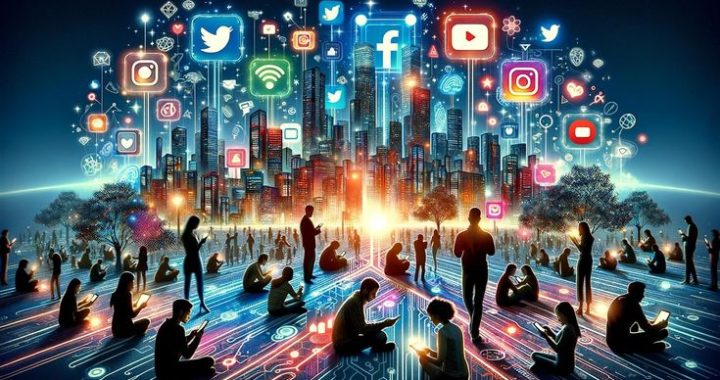
In today’s digitally connected world, social media has become an inseparable part of our daily lives. From checking news updates and watching short videos to connecting with friends and discovering new brands, social platforms dominate how people spend their time online. This massive shift in consumer behavior has made Social Media Marketing (SMM) one of the most powerful and cost-effective tools for businesses.

For a digital marketing platform like TechyHub, understanding and leveraging social media marketing is essential. SMM is no longer just about posting images or videos—it is about building relationships, creating communities, driving brand awareness, and converting followers into loyal customers.

This blog provides an in-depth explanation of Social Media Marketing, covering its meaning, importance, platforms, strategies, content types, tools, benefits, challenges, trends, and its role in overall digital marketing success.

Continue reading

Search Engine Optimization (SEO): The Complete Guide for Digital Growth

 INTRODUCTION

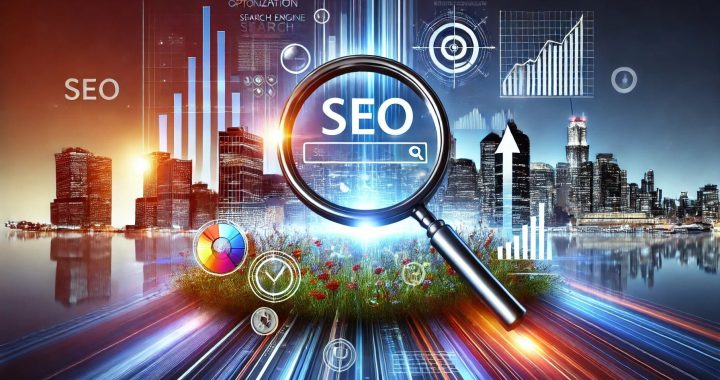
In the digital age, having a website is not enough. Millions of websites exist on the internet, all competing for attention. What truly matters is visibility—how easily users can find your website when they search online. This is where Search Engine Optimization (SEO) plays a crucial role. SEO is one of the most powerful and cost-effective digital marketing strategies that helps websites rank higher on search engines, attract organic traffic, and build long-term online credibility.

For a digital marketing platform like TechyHub, SEO is not just a topic—it is the foundation of sustainable online success. This blog explains SEO in depth, covering its meaning, importance, types, techniques, process, tools, trends, and challenges in a detailed yet easy-to-understand manner.

Continue reading